
Laser beam welding (LBW) uses a focused laser beam to melt and join metal. Because the heat is very concentrated, LBW can give you fast welding, a small heat-affected zone (HAZ) (the area next to the weld that gets hot), less distortion, and a clean seam—especially on thin to mid-thickness sheet.
LBW has two main welding modes: conduction mode and keyhole mode. Which one you get mainly depends on power density (how much power is packed into the beam spot).
This guide is written for job shops, fabricators, and production teams. It explains how LBW works, what settings matter most, how to fix common defects, and how to choose handheld vs robotic laser welding systems.
Video: Laser beam welding demo and explanation.
Key Takeaways
- Conduction vs keyhole is a “power density” choice: conduction melts the surface and goes deeper mostly by heat flow; keyhole happens when the beam is strong enough to cause some metal to vaporize and form a small tunnel for deeper welding.
- Most defects come from a narrow “process window”: porosity, undercut, weak strength, and bad color usually mean the balance of power, speed, focus, gas, and wobble is not stable.
- Fit-up and cleanliness matter a lot: LBW can be less forgiving of gaps, dirty surfaces, and unstable shielding gas than many arc methods.
- Wobble (oscillation) is a strong tool: it can help you control bead width and make the process more tolerant to small gap changes in many jobs.
- Equipment choice is based on your workflow: handheld is flexible; robotic is repeatable and better for volume.
1) What Is Laser Beam Welding (LBW)?
Laser beam welding is a fusion welding process. A laser is focused on the joint line. The metal melts, and as the beam moves, the molten pool cools down and becomes a solid weld.
The big difference from many arc welding methods is the heat shape: a laser can put a lot of energy into a very small spot. That is why LBW can weld fast and keep heat spread low.
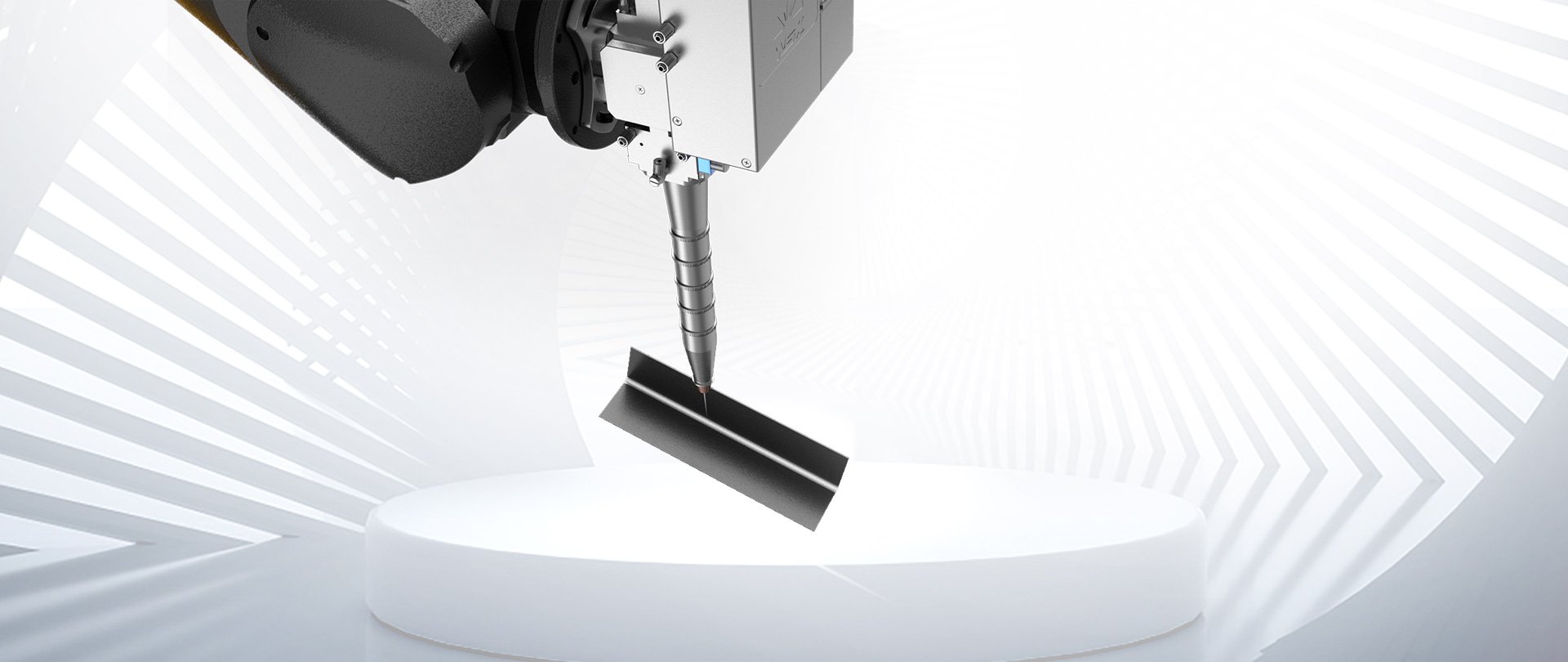
In many factories, LBW is done with fiber laser welding systems. The beam is sent through a fiber to the welding head, then focused by lenses. Many welding heads also support wobble/oscillation and have saved “recipes” for settings.
Where LBW is used most
LBW is a good match when you care about speed, low distortion, and stable quality:
- Sheet metal fabrication (covers, cabinets, brackets)
- Automotive and transportation parts
- Aerospace structures and assemblies
- Electronics metal parts and precision assemblies
- Production lines that use robots or gantries
2) Conduction vs Keyhole: Two Welding Modes
LBW works in two main modes. The mode depends on power density (power divided by beam spot area at the workpiece). In simple terms: a smaller spot or higher power raises power density.
Conduction mode (surface melting)
In conduction mode, the beam melts the surface and the heat spreads down into the metal. These welds are often wider and shallower. This can be useful when you want a smoother look and do not need deep penetration.
Keyhole mode (deep welding)
In keyhole mode, the beam is strong enough that a small amount of metal vaporizes. This creates a tiny “tunnel” (keyhole). The laser energy goes deeper, so the weld can become deep and narrow.
What this means in the shop
- Thin sheet + high speed: keyhole mode is often used because it can give penetration at production speed.
- Cosmetic seams: conduction mode can be used when you want a shallow, smooth weld.
- Stability matters: keyhole mode can be powerful but more sensitive. If it becomes unstable, you may see porosity, spatter, or uneven penetration.
3) LBW in 60 Seconds: The Simple Process
Here is the LBW process in plain steps:
- Make the beam: the laser source produces power.
- Deliver the beam: fiber sends the beam to the welding head.
- Focus the beam: lenses create a small spot on the joint.
- Create the molten pool: conduction or keyhole depends on power density.
- Protect the weld: shielding gas helps reduce oxidation and defects.
- Move steadily: stable motion (hand or robot) helps keep the weld consistent.
- Solidify: the pool cools and becomes the final bead.
Most setting changes (power, speed, focus, gas, wobble, wire, gas) change one thing: how stable the molten pool is and what shape it has.
4) The 6 Settings That Control Weld Quality
Many shops look for “one perfect setting.” In reality, LBW is a balance. You want a stable “sweet spot” where the pool stays steady and the bead is consistent.
Setting 1 — Laser power (and how concentrated it is)
What it changes: how much energy you deliver each second. Together with spot size, it controls power density.
If it’s too high: burn-through (thin sheet), spatter, undercut, strong discoloration.
If it’s too low: weak weld, lack of fusion, shallow penetration.
Quick rule: when you need more penetration, do not only raise power—first check speed and focus.
Setting 2 — Travel speed
What it changes: energy per length of weld.
Too slow: more heat, wider bead, more discoloration and distortion risk.
Too fast: poor fusion and shallow penetration.
Quick rule: small speed changes can fix many issues on thin sheet.
Setting 3 — Focus position
What it changes: spot size at the surface, and therefore power density.
Focus too deep: more penetration, but higher burn-through risk on thin sheet.
Focus above surface: wider and shallower weld; may look OK but can weaken the root.
Quick rule: use one standard method to set focus (same reference every time).
Setting 4 — Shielding gas (type + flow + nozzle distance)
What it changes: oxidation (color), surface quality, and in many cases porosity risk.
Bad gas delivery often looks like: black/blue weld color, rough bead, more spatter, or unstable results.
Quick rule: treat gas as a real process setting. Keep the flow steady and avoid turbulence.
Example: many thin stainless setups use nitrogen shielding around ≥ 20 L/min as a starting point (you still need to test for your part and joint).
Setting 5 — Wobble / oscillation (small fast beam motion)
Wobble means the beam moves in a small pattern (for example, small circles or side-to-side) while welding.
What it changes: bead width, heat spread, and in many cases tolerance to small gap changes.
Too narrow: more sensitive to fit-up; may become “sharp” and unforgiving.
Too wide: may lose penetration and strength.
Quick rule: try wobble to widen your stable window before you keep increasing power.
Setting 6 — Wire feed (when you need fill or reinforcement)
Wire feed adds filler metal. This can help when your joint has small gaps or you need a stronger, fuller bead.
Too much wire: high bead, poor wetting, messy surface.
Too little wire: underfill, weak reinforcement, low gap tolerance.
Quick rule: wire feed must match power and speed. Treat them as one package.
5) Fit-Up Rules: Why Welding Fails in Real Shops
In many cases, LBW problems are not caused by the laser. They come from the joint: gaps, misalignment, dirt, and unstable gas.
Rule 1: Control the gap before you chase power
If the gap changes along the seam, the molten pool must keep bridging different conditions. This often leads to:
- uneven penetration
- undercut
- lack of fusion
- porosity pockets
Wobble can help in many cases, but it does not replace good joint prep.
Rule 2: Clean close to welding time
Oil, paint, oxide, and moisture can create defects. For aluminum, cleaning is even more important.
Rule 3: Make the edge shape consistent
Burrs and uneven edges can create micro gaps and unstable results.
Rule 4: Treat clamping as part of the process
Clamping helps keep alignment stable and reduces movement from heat. It also makes results more repeatable.
6) Notes by Material (Stainless / Carbon / Aluminum / Galvanized)
Stainless steel (304/316 and similar)
Stainless is often a good match for LBW. With stable shielding and correct settings, you can get clean seams and good strength.
Simple tip: if you keep seeing strong discoloration, check gas delivery and reduce extra heat (speed and wobble often matter more than “more power”).
Simple stainless quick-start window
- Shielding gas: N₂ ≥ 20 L/min (starting point)
- Focus: 0 mm (on the surface) as a common starting reference
- Wobble width: increase gradually as thickness increases
Always validate on your joint type, fixture, and required strength.
Carbon steel / mild steel
Carbon steel usually welds well with LBW. Stable gas and stable motion matter. Some grades may be sensitive to heat changes in the HAZ, so test and confirm results if you have strict requirements.
Aluminum (1xxx/3xxx/5xxx/6xxx series)
Aluminum is often harder because it reflects more laser energy and moves heat quickly. It is also sensitive to oxide and contamination, so porosity is more common.
Simple rule: if porosity is the main issue, fix the “front end” first: cleaning and stable gas. Then use focus and wobble to widen the stable window before you keep raising power.
Galvanized sheet (zinc-coated steel)
Galvanized sheet can be welded, but zinc behavior can make results sensitive. Use good ventilation, test settings, and confirm quality for your coating and joint.
7) A Better Way: Build a “Process Window”
High-quality LBW is not one magic recipe. It is a stable range of settings that work for your part family.
- Define the joint: lap/butt/corner, gap tolerance, and required strength/appearance.
- Pick the mode: conduction for shallow/cosmetic; keyhole for penetration and speed.
- Start with a baseline: power, speed, focus, gas, wobble, and wire feed (if needed).
- Run a small test plan: change one thing at a time and record results.
- Lock in fixtures and cleaning: treat them like part of the recipe.
- Save the recipe: store a few proven settings for common thickness ranges.
8) Common Problems & Quick Fixes (Checklist)
Use this section as a daily troubleshooting guide: symptom → likely cause → quick fix.
1) Porosity (holes inside the weld)
Symptom: pinholes, bubbles, weak strength.
Likely causes: dirty surface, unstable gas, unstable keyhole.
Quick fixes: clean closer to welding time; stabilize gas; adjust speed/focus/wobble to widen the stable window.
2) Lack of fusion / weak weld
Symptom: looks welded but fails in testing.
Likely causes: not enough energy at the joint, speed too high, wrong focus, bad fit-up.
Quick fixes: slow down slightly; recheck focus; improve fit-up; use wire feed if gaps are unavoidable.
3) Undercut (groove at the weld edge)
Likely causes: too much energy density or poor balance between power and speed.
Quick fixes: reduce heat input (small speed increase or focus change); match wobble width to thickness.
4) Heavy discoloration / black weld
Likely causes: gas not protecting the pool well, too much heat, dirty surface.
Quick fixes: stabilize gas flow/nozzle distance; increase speed slightly; improve cleaning.
5) Spatter / unstable bead
Likely causes: unstable keyhole, unsteady travel, optics contamination.
Quick fixes: rebalance power/speed/focus; use wobble to stabilize; improve travel stability; inspect optics.
9) Handheld vs Robotic: How to Choose
Equipment choice becomes simple when you ask: Do we need flexibility, or repeatable production?
Option A: Handheld laser welding (flexible work)
Handheld systems are good for mixed parts, many stations, small batches, repair, and jobs that change often.
When handheld wins: you need flexibility and quick deployment.

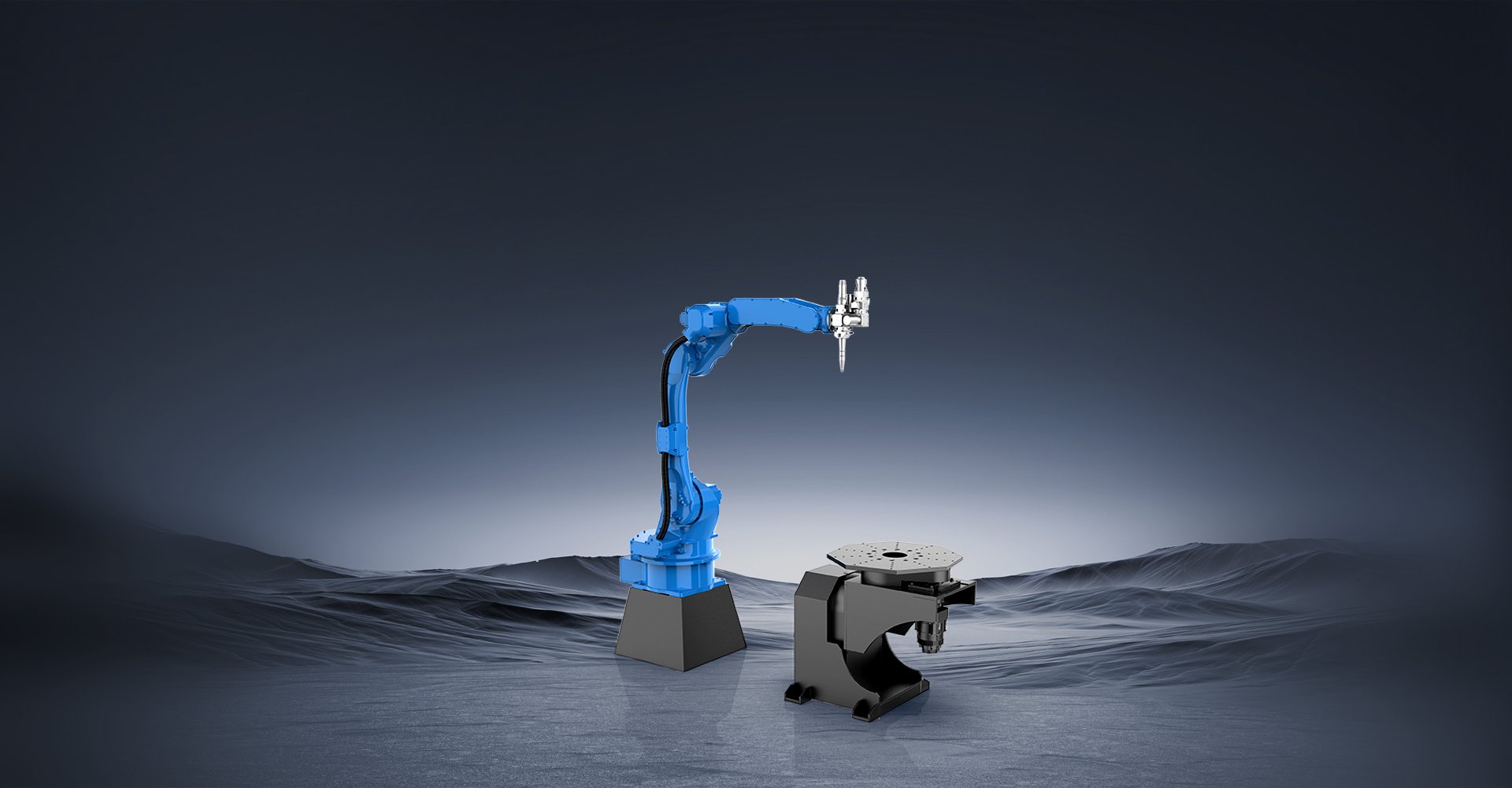
Option B: Robotic / 3D laser welding (repeatable production)
Robot welding gives stable travel speed, stable path, and stable quality over long runs.
When robotic wins: you need consistent output, volume, and predictable cycle time.
Option C: Multi-function handheld platforms
Some shops prefer a handheld platform that also supports cleaning or cutting for a smoother workflow.
10) Safety and Production Tips
Industrial laser welding often uses high-power lasers. Safety is mandatory. Use the right protective eyewear, a controlled work area, and proper safety procedures.
For production stability, build a repeatable system: consistent cleaning, consistent clamping, stable gas delivery, and saved recipes.
11) FAQ
Q1: What is laser beam welding (LBW)?
It is a welding method that uses a focused laser beam to melt and join metal along a seam.
Q2: What is the difference between conduction and keyhole?
Conduction is surface melting with shallow penetration. Keyhole happens at higher power density and can weld deeper.
Q3: Why do welds turn black?
Usually shielding gas is not stable, heat input is too high, or the surface is dirty.
Q4: Why is aluminum more likely to get porosity?
Because aluminum is sensitive to oxide and contamination, and its process window can be narrow. Cleaning and stable gas help a lot.
Q5: When should I use wobble?
When you need a wider bead, a more stable process, or better tolerance to small gap changes.
Q6: When should I use wire feed?
When you need gap fill or stronger reinforcement, especially if fit-up is not perfect.
Q7: Handheld vs robotic—what decides?
Handheld is flexible. Robotic is repeatable and better for volume.